FEEA thanks WAEPA for supporting the #FedLifeHacks program
Managing credit is a key part of long-term financial wellness. Whether you are applying for a credit card, financing a car, renting an apartment, or preparing to buy a home someday, your credit history can influence both the opportunities available to you and the cost of borrowing. Understanding how credit works, and how to use it wisely, can help you make better-informed financial decisions and build a stronger foundation for the future. If you are just getting started or you are looking to strengthen your credit profile, having the right knowledge can help you navigate credit with confidence!
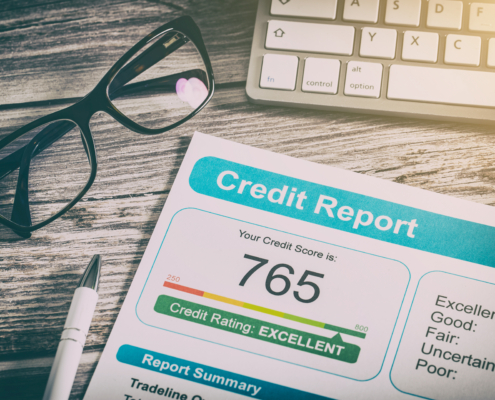
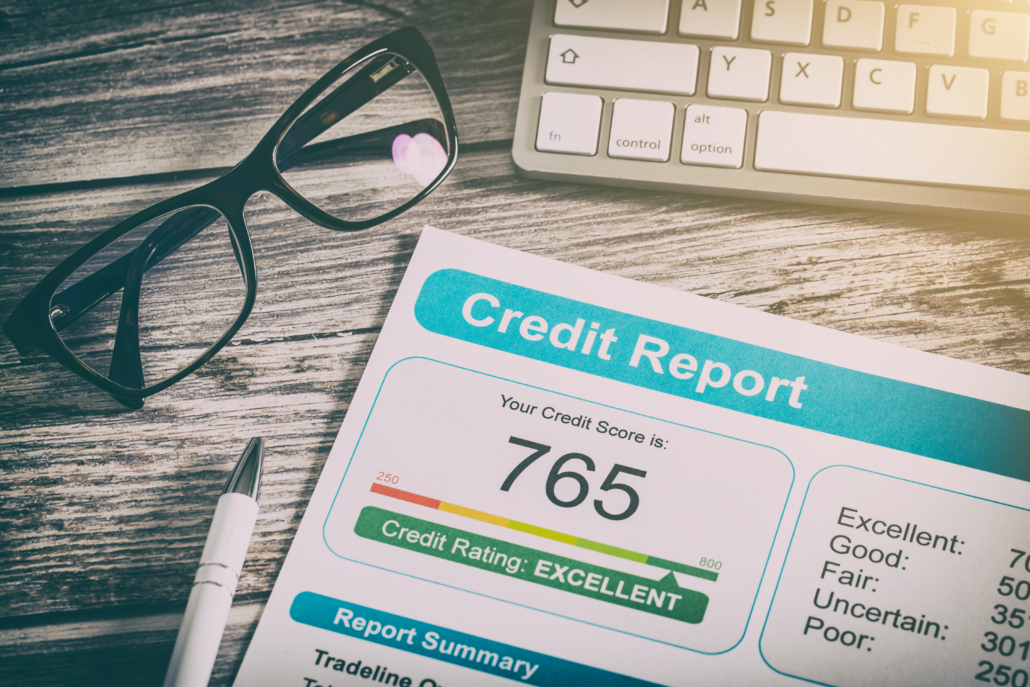
What Is a Credit Score?
A credit score is a number that helps lenders evaluate how likely you are to repay borrowed money on time. Credit scores are based on information in your credit report and are commonly used by banks, credit card issuers, landlords, insurers, and sometimes employers when making financial decisions.
Chase Bank notes that most credit scores range from 300 to 850. In general:
- Higher scores indicate lower lending risk
- Lower scores may make borrowing more difficult or expensive
According to the Consumer Financial Protection Bureau (CFPB), lenders may use your credit score to decide:
- Whether to approve a loan or credit card
- What interest rate to offer
- How much credit to extend
- Whether additional deposits or fees are required
While there are multiple scoring models, the most widely used are FICO Scores and VantageScore. Both evaluate similar financial behaviors, though their formulas differ slightly. Chase Bank also provides a breakdown of both credit score calculation models in the US, including the different credit score ranges and how they rank.
Why Credit Scores Matter
Credit scores can influence many parts of your financial life beyond simply getting approved for a loan. Nationwide Insurance mentions that a strong credit score may help you:
- Qualify for lower interest rates
- Save money over time on loans and credit cards
- Obtain better credit card rewards or benefits
- Rent an apartment more easily
- Reduce insurance premiums in some states
- Avoid security deposits for utilities or cell phone service
Conversely, a poor credit history may lead to:
- Higher borrowing costs
- Loan denials
- Lower credit limits
- Difficulty qualifying for housing
For example, someone with excellent credit may receive a substantially lower mortgage interest rate than someone with poor credit, potentially saving tens of thousands of dollars over the life of the loan.
The Federal Trade Commission (FTC) notes that credit scores are designed to predict lending risk, not personal worth or financial intelligence. Credit can improve over time through consistent, responsible financial behavior.
What Determines a Credit Score?
Although scoring formulas vary slightly, most credit scores are based on several key factors. According to Credit Karma, these key factors include:
Payment History
Your history of paying bills on time is generally the most important factor. Late payments, collections, bankruptcies, and charge-offs can negatively impact your score. Paying at least the minimum amount due, and consistently paying on-time, is one of the best ways to build strong credit.
Credit Utilization
Credit utilization refers to how much of your available revolving credit you are using. For example:
- Credit card limit: $5,000
- Current balance: $1,500
- Utilization ratio: 30%
Experian recommends keeping utilization below 30%, and ideally lower, to demonstrate responsible credit management.
Length of Credit History
Longer credit histories generally help scores because lenders can see a longer track record of repayment behavior. Closing old accounts may shorten your average account age and sometimes negatively affect your score.
Credit Mix
Having experience with different types of credit (such as credit cards, auto loans, mortgages, or student loans) may positively influence scores when managed responsibly. However, Equifax also mentions that after paying off a debt, like an auto loan or credit card (and then closing the account), you may notice a drop to your credit score due to your credit mix being reduced. But have no fear! Paying off debt is still more likely to help your credit scores rather than hurt them, and it’s generally just a temporary dip.
New Credit Applications
Applying for multiple new accounts in a short period may temporarily lower your score because lenders may view this as increased financial risk. According to myFICO, FICO Scores are generally influenced by:
- Payment history (35%)
- Amounts owed (30%)
- Length of credit history (15%)
- New credit (10%)
- Credit mix (10%)
Understanding the Major Credit Bureaus
Credit reports are maintained by three nationwide credit bureaus: Equifax, Experian, and TransUnion. Capital One states that these companies collect information from lenders and creditors (i.e., financial institutions, mortgage and auto lenders, debt collection agencies, public bankruptcy filing records, and landlords) about your borrowing and repayment history. Because lenders may report information differently to each bureau, your credit reports, and sometimes your scores, may vary slightly among them. In general, your credit report may include:
- Credit accounts
- Payment history
- Credit inquiries
- Public records such as bankruptcies
- Collection accounts
Reviewing your reports regularly can help you identify errors, fraud, or identity theft.
How to Get Your Credit Reports and Scores for Free
According to the Office of the Comptroller of the Currency (OCC), under the FACTA federal law, consumers are entitled to access their credit reports for free, once every 12 months, from each of the three credit bureaus. The official federally authorized website is: AnnualCreditReport.com.
You can also access information directly from the bureaus:
Many banks and credit card companies now also provide free credit scores through online banking portals or mobile apps. Importantly, checking your own credit report or score does not hurt your credit.
Tips for Building and Rebuilding Credit Responsibly
Building strong credit takes time, consistency, and healthy financial habits. The good news is that even small steps can make a meaningful difference over time! The CFPB notes that there are several ways you can build and rebuild your credit, including:
Paying Bills on Time
Payment history is one of the largest factors affecting credit scores. Setting up automatic payments or calendar reminders can help avoid missed payments.
Keeping Credit Card Balances Low
Try not to rely heavily on available credit. Lower utilization ratios generally support healthier scores.
Starting Small
If you are new to credit, consider:
- A secured credit card
- A student credit card
- Becoming an authorized user on a trusted family member’s account
These tools may help establish a positive credit history when used responsibly.
Avoiding Applying for Too Much Credit at Once
Submitting many applications in a short period may lower your score temporarily.
Reviewing Your Credit Reports Regularly
Mistakes happen. Incorrect late payments, fraudulent accounts, or inaccurate balances can affect your score unfairly. The CFPB’s guide to checking your credit report explains how to review reports and dispute errors.
Keeping Older Accounts Open When Possible
Older accounts may strengthen your average credit history length, particularly if they have positive payment records and no annual fee.
Using Credit Wisely Over the Long Term
Credit can be a valuable financial tool when used thoughtfully. Responsible credit use may help you:
- Handle emergencies
- Finance large purchases strategically
- Build financial flexibility
- Establish long-term financial credibility
However, credit also involves risk. Carrying large balances, missing payments, or borrowing beyond your means can create long-term financial stress. A good rule of thumb is to view credit as a tool, and not as extra income. Borrow only what you can realistically repay and prioritize consistent, sustainable financial habits over quick fixes.
Navigating Credit with Confidence
Building strong credit is a process, not something that happens overnight. By understanding how credit works, staying informed about your credit profile, making payments on time, and using credit responsibly, you can strengthen your financial foundation over time.
The habits you develop today can have a lasting impact on your future financial opportunities. Whether you’re planning for a major purchase, seeking more favorable borrowing terms, or working toward long-term financial goals, maintaining healthy credit can help put those opportunities within reach!
The information provided in this piece is for your convenience and informational purposes only and not to be construed as professional advice. FEEA and its coauthors and sponsors are not liable for any losses or damages related to actions or failure to act with regard to the content in this piece.
SUBSCRIBE TO OUR NEWSLETTER
The #FedLifeHacks Program is generously supported by:

MORE FROM FEEA